HEADWAY: ACTION FOR BRAIN INJURY WEEK. Agency: Storycatchers and Stu the CopywriterReal stories of life after brain injury.
Skills used: creative strategy, narrative structure, campaign development, content planning, editing supplied footage, visual design, empathy and sensitive handling of lived-experience stories
Project impact:
Over 620,000 social impressions and 125,000 video views, making it ABI week’s highest ever performing campaign
Broke into hard-to-reach spaces, including DWP capability assessment teams and reached clinical and non-clinical decision-makers
Campaign visibility led to survivors speaking in Parliament during the APPG on acquired brain injury
Main campaign film.
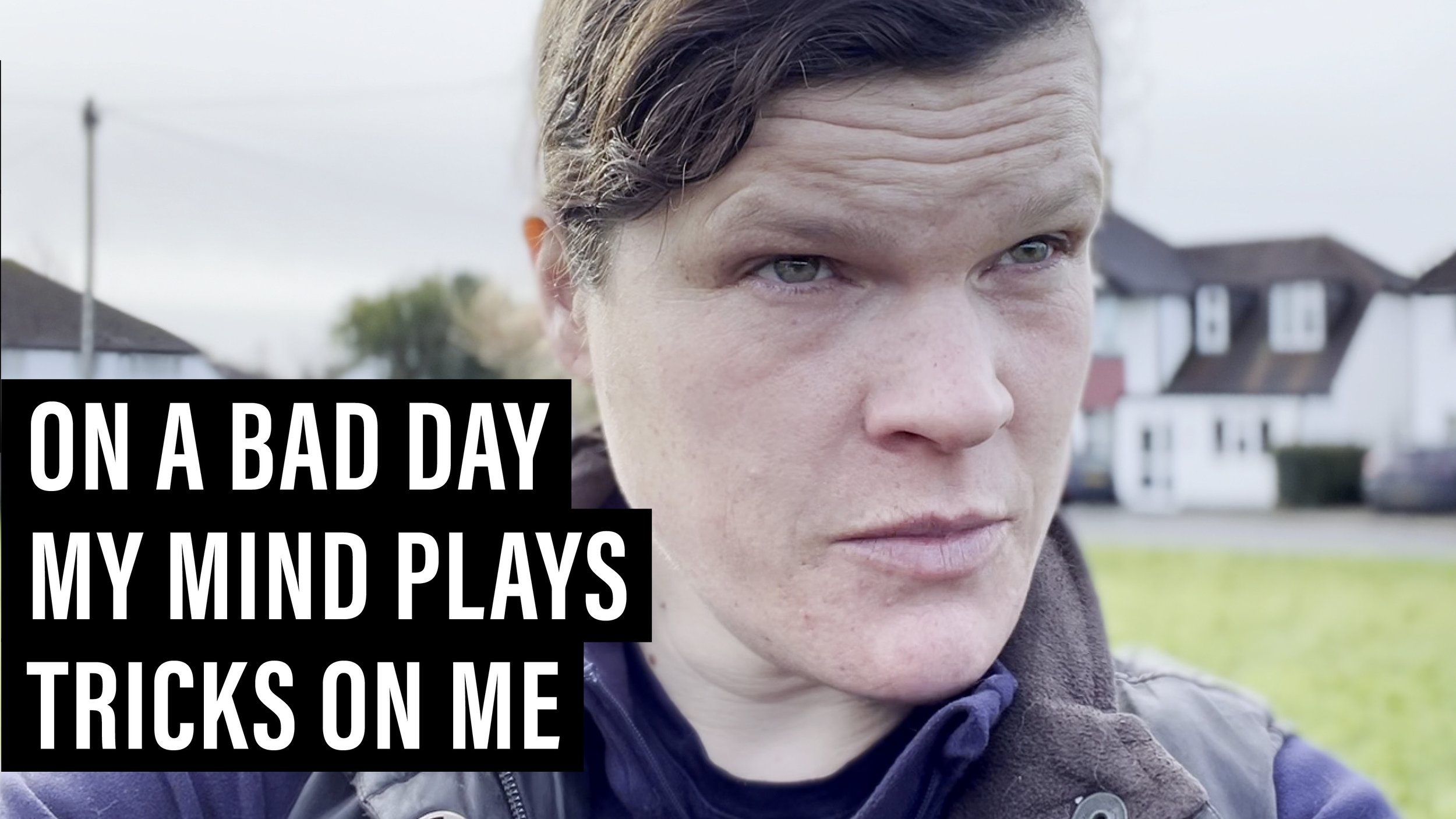
We created a main film that brought together clips from all contributors, introducing the good day / bad day idea and showing different examples of how life can change after brain injury. This film was used as the primary piece of campaign content.
Context
Action for Brain Injury Week is the annual awareness campaign run by Headway. For 2025, the aim was to show the everyday reality of life after brain injury, especially how symptoms can change from day to day and are often invisible to others.
In early conversations, people repeatedly described the difference between their good days and bad days.
That contrast became the basis of the campaign.
Creative approach
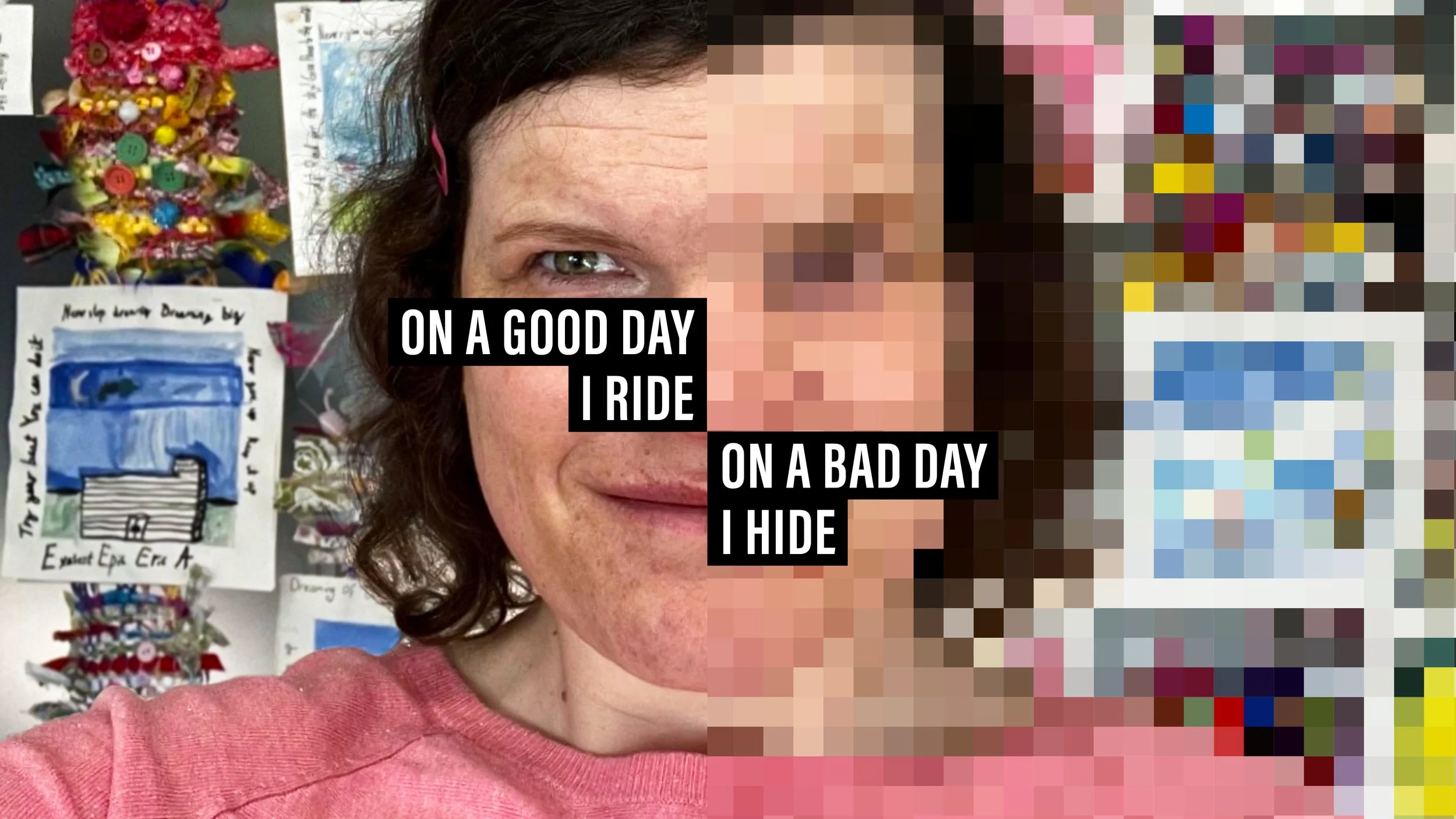
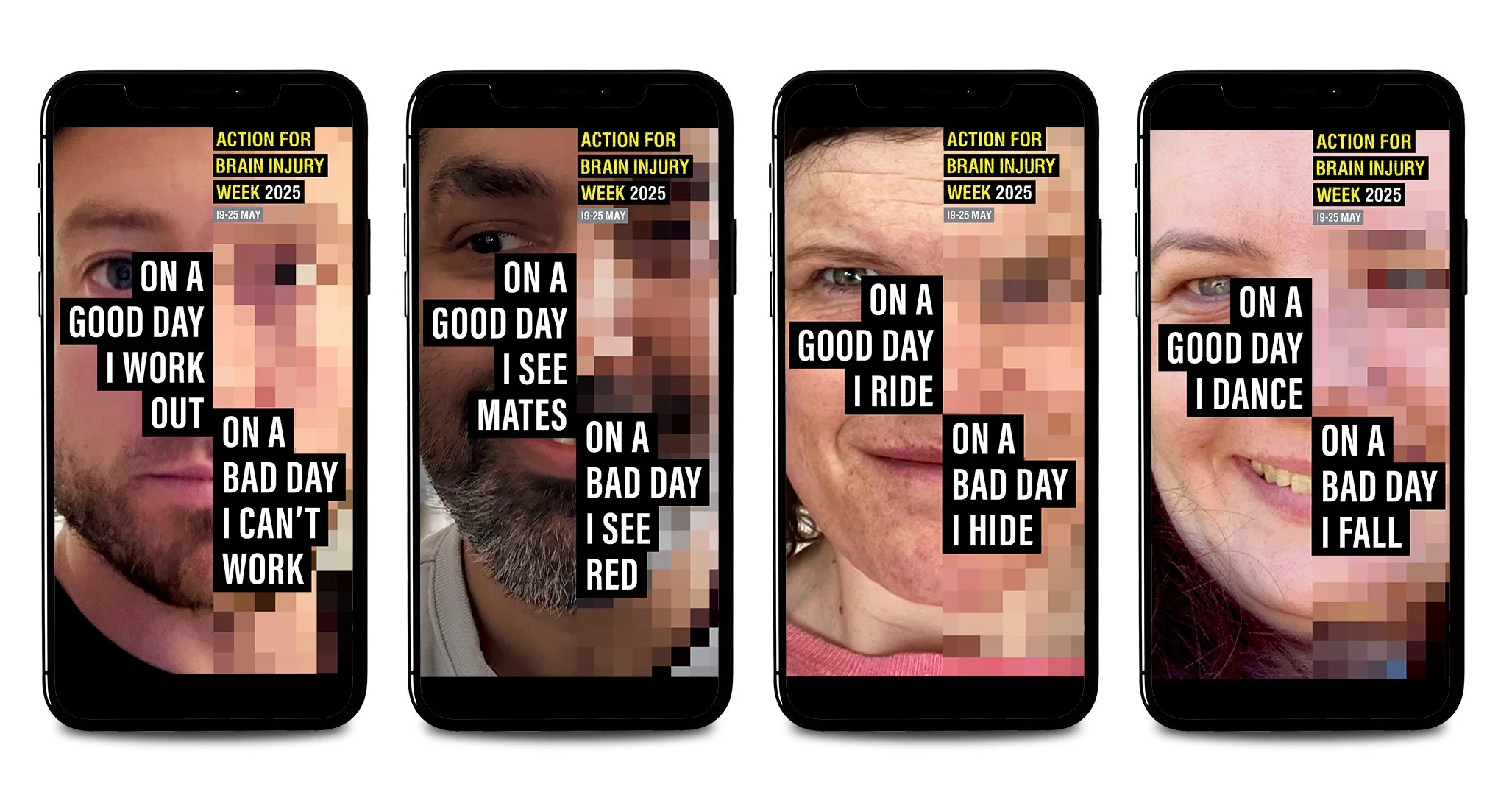
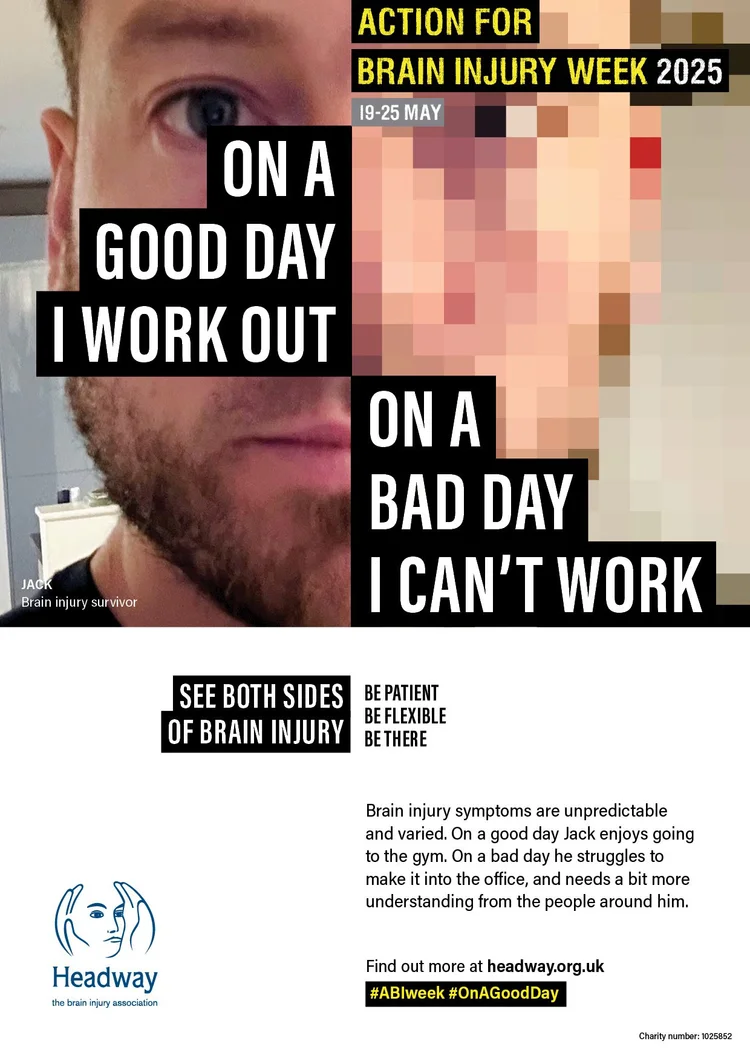
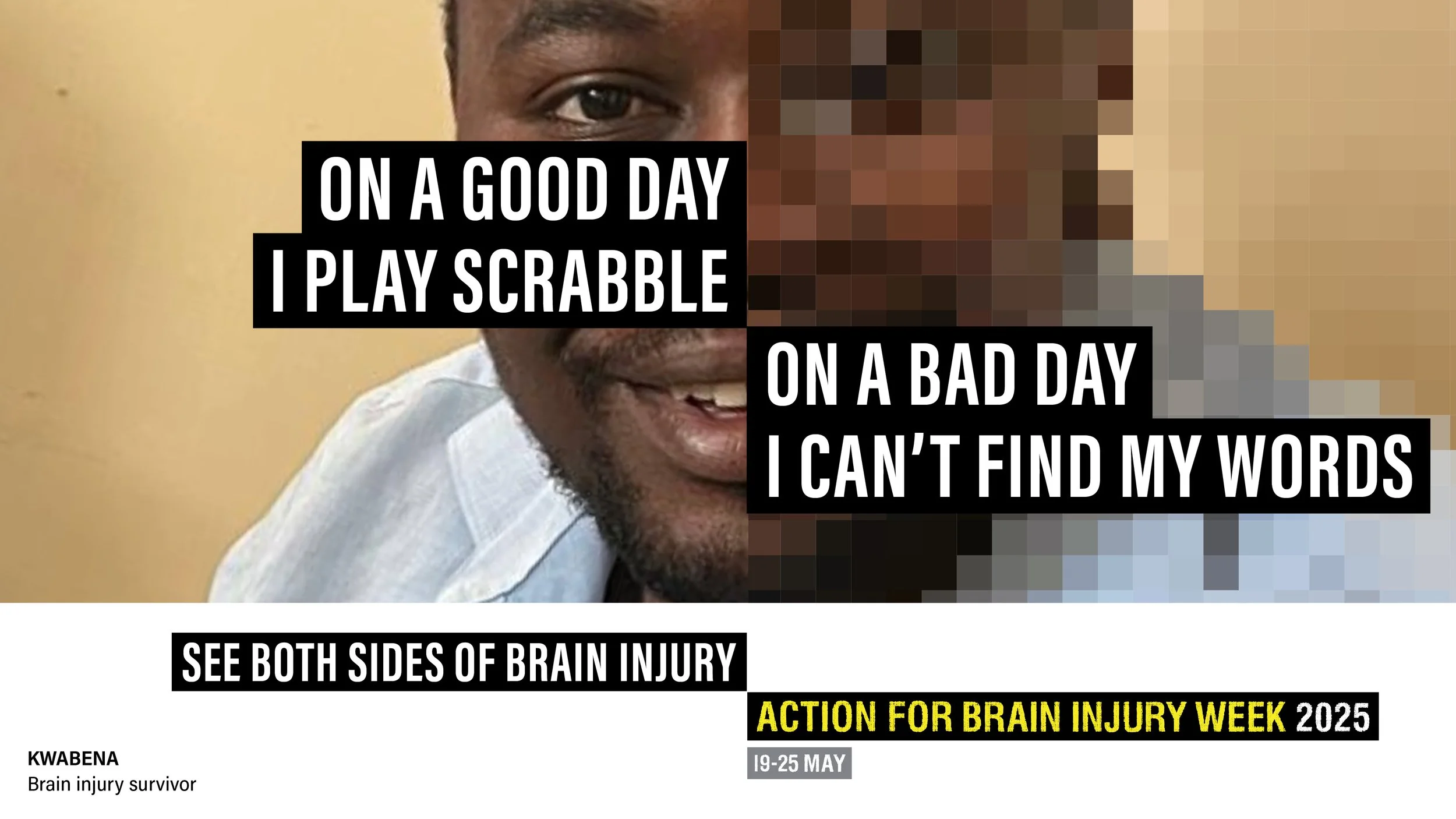
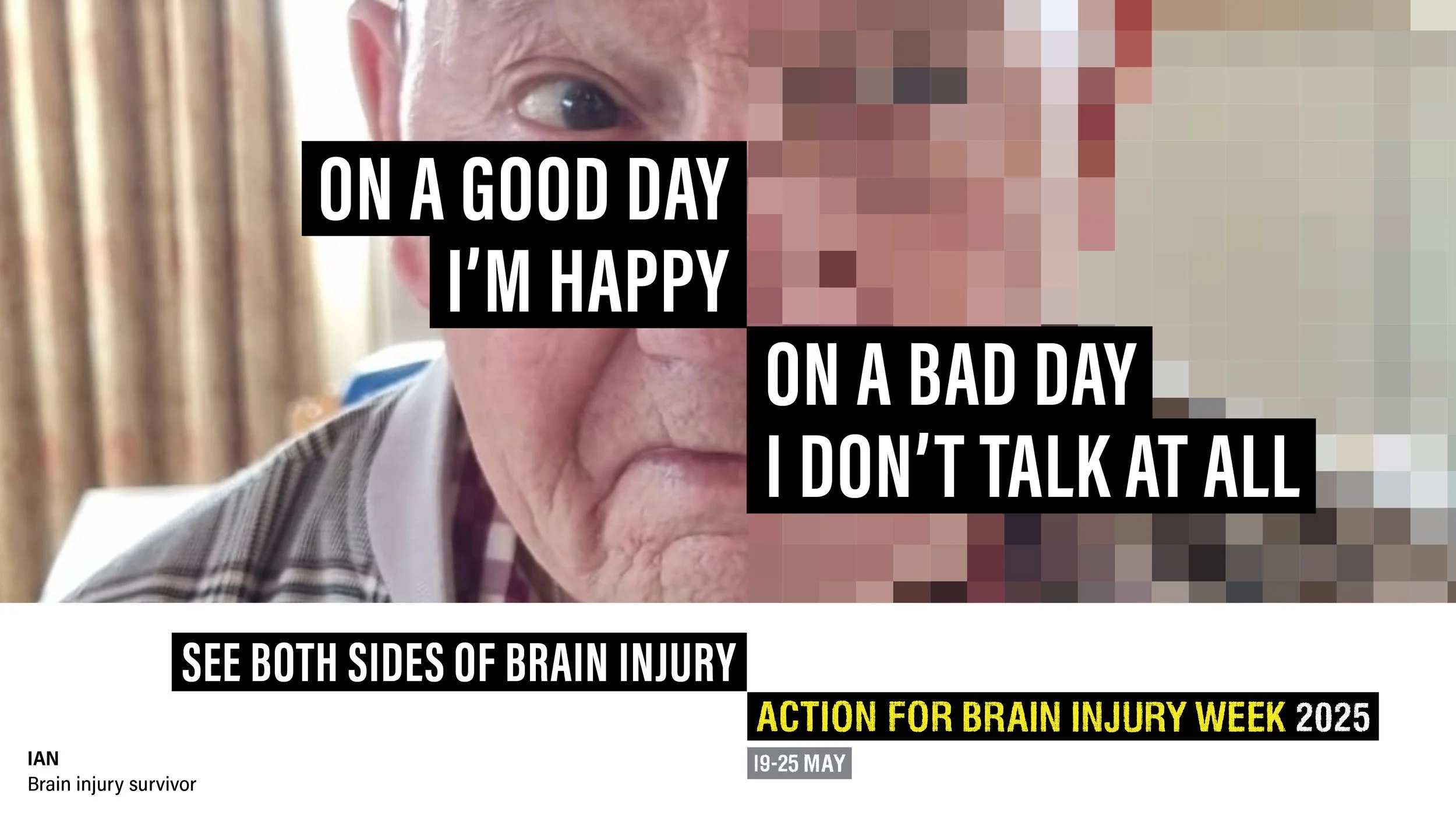
We built the campaign around a simple “good day / bad day” structure to show how unpredictable the symptoms of a brain injury can be. To make this contrast clear and immediate, I used a split-screen format: good days presented cleanly and in focus, bad days shown as heavily pixelated to reflect how concentration, clarity and functioning can break down.
Authenticity was essential, so we asked participants to film themselves using their phones and share their own images and clips. I took this user-generated content and edited it into short, honest films.
My role was to shape pacing, tone and structure so the stories felt sensitive and respectful, while still being easy for the varied target audiences to understand quickly.
The approach stayed focused on:
plain first-person language
real environments and everyday contexts
a consistent structure that worked across all films.
Individual films
Each participant had an individual film made, each very tonally different and very true to them as people. Katie’s was pragmatic, straightforward and matter-of-fact, Lorna’s was beautifully evocative, positive and heart-breaking all at the same time and Raj’s showed an individual who was more obviously changed by his injury but again, so full of emotion and personality. The shared format meant the films sat well together as a series and could be used separately or as a group.
creative approach & challenges
Working with user-generated content is unpredictable: with huge variations in video quality, tone, and structure. A big part of my role here was to find ways around those challenges, stitching together the footage with a strong graphic framework to create films which felt real, cohesive and truthful.
I had to keep consistency across formats, from the films themselves, to social cuts, digital assets and posters, ensuring the tone and look matched across the campaign and looking the other way on image resolution – it added to the authenticity anyway.
Given the sensitivity of the subject, I edited with empathy, letting the voices of survivors lead, and staying true to their experience.


Supporting social content
As well as cutdown film assets for social we also created carousels which quickly and succinctly got over the key campaign message.
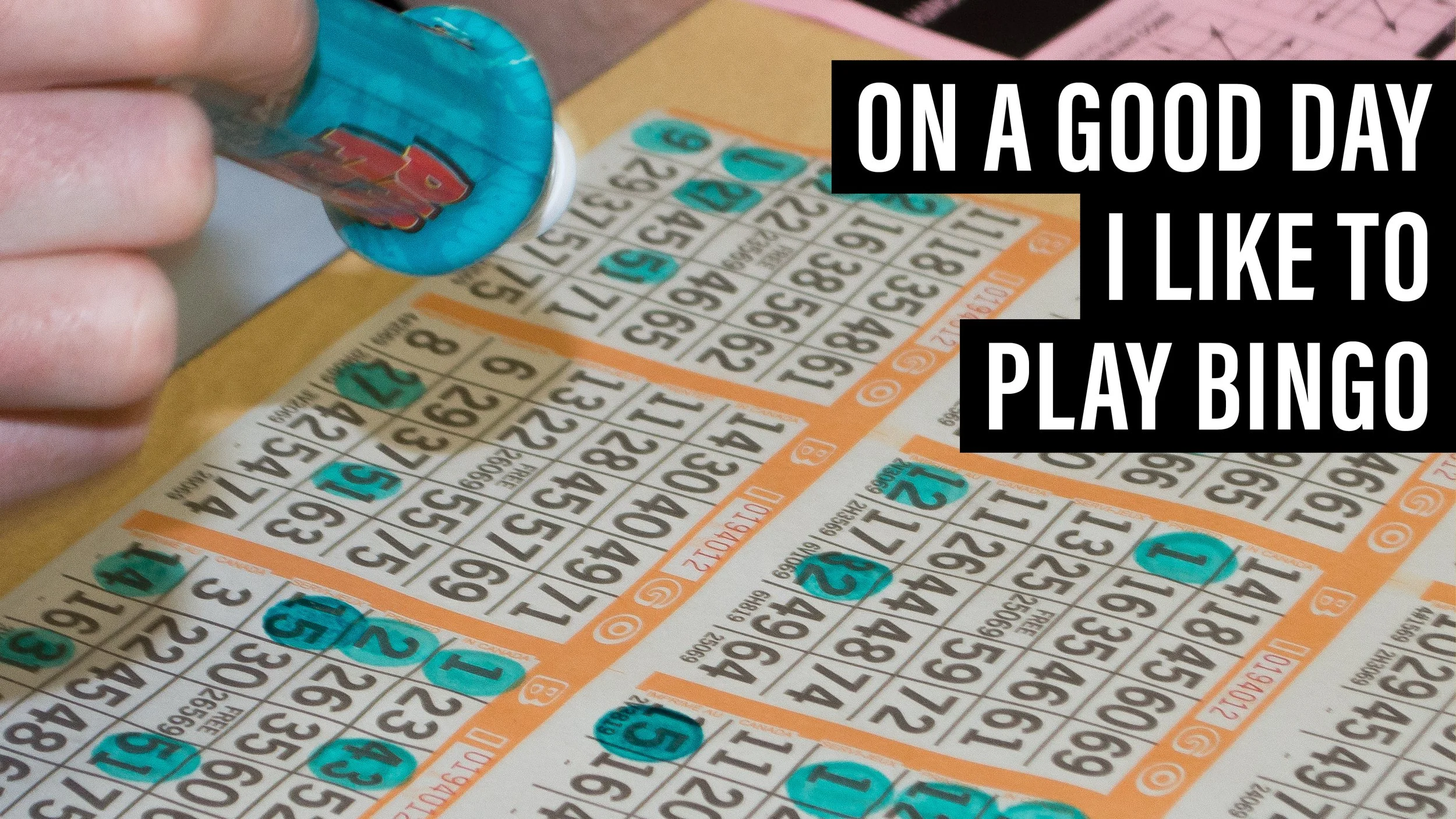
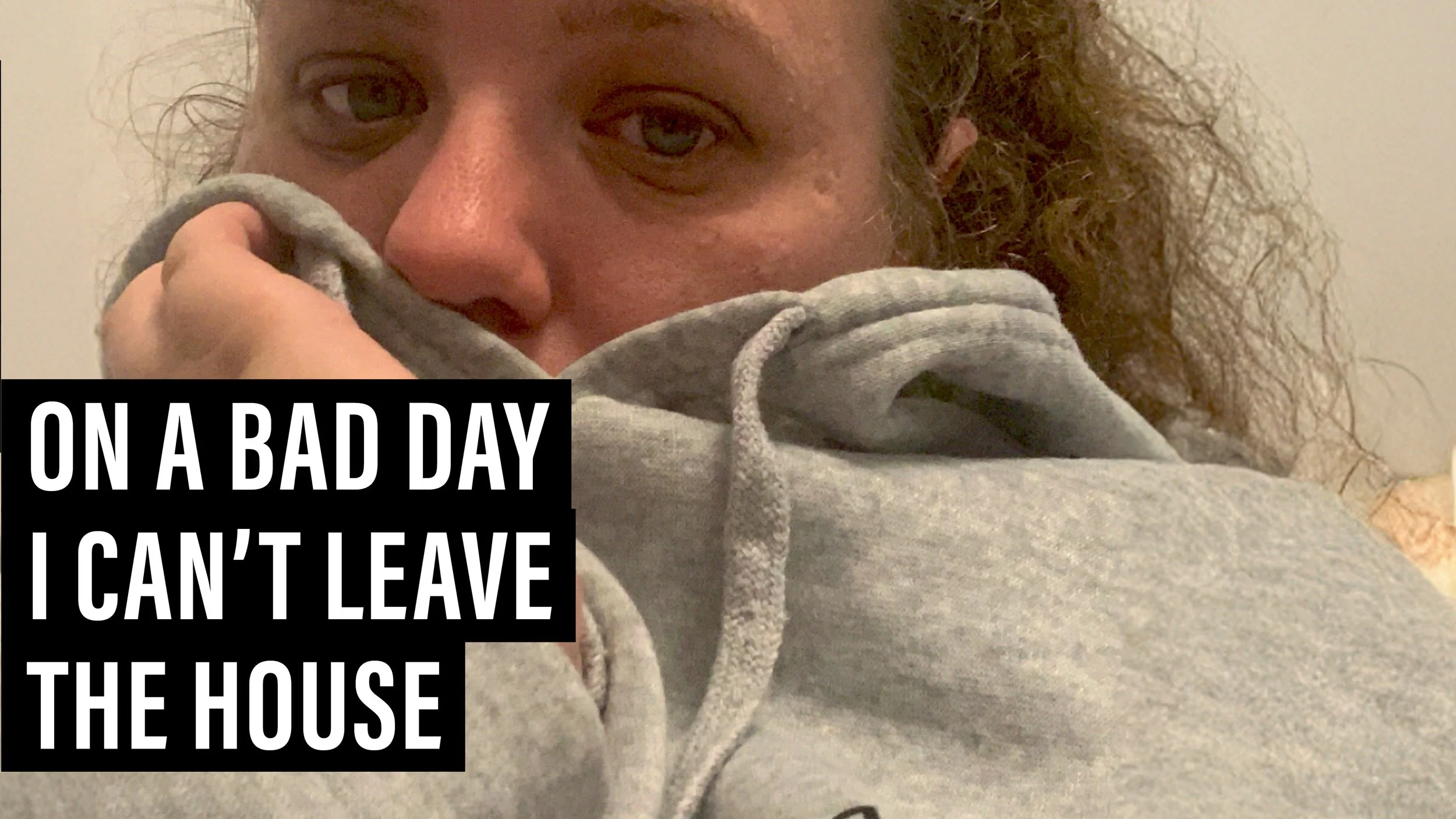
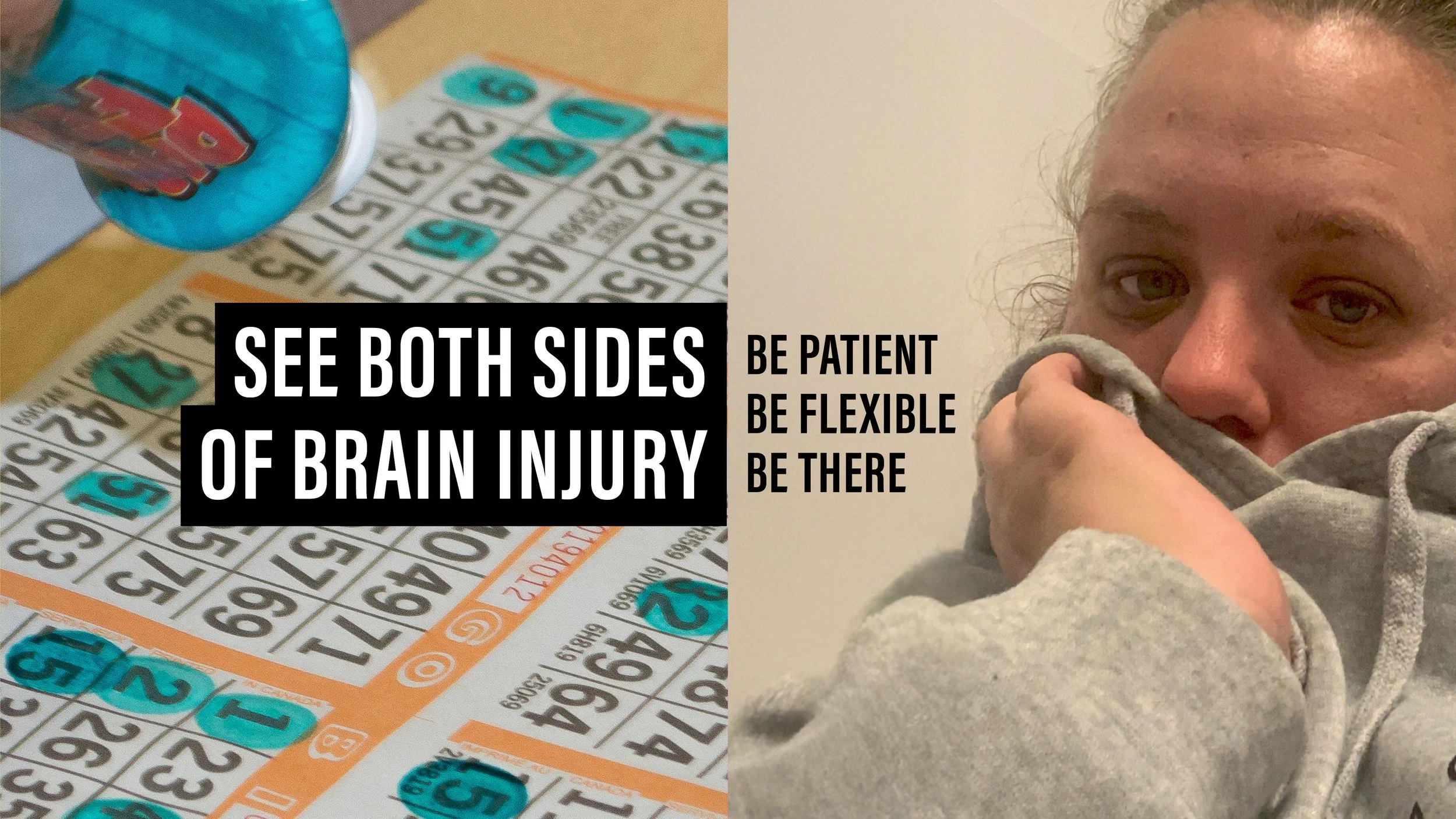
Alongside the main contributors, we created a wider set of social assets using short lines, stills and clips from many different brain injury survivors allowing more varied experiences to be included in the campaign to show how differently brain injury can affect each person. Keeping these assets simple made them easy to share and allowed Headway to represent far more voices and situations across the week.
Outcomes:
The campaign achieved more than 620,000 social impressions and over 125,000 video views. It was also shared inside organisations carrying out work capability assessments for the DWP and reached both clinical and non-clinical decision-makers.
As a result of the campaign’s visibility, two survivors went on to speak to MPs during the All-Party Parliamentary Group on acquired brain injury.