UNIVERSITY OF LEEDS. Agency: StorycatchersResearch Journeys. Turning complex research into clear, compelling stories on film.
Skills used: creative strategy, workshop planning and facilitation, visual identity, set and camera design, contributor coaching, on-set direction, narrative shaping, post-production collaboration.
Outcomes:
Helped researchers explain the value of their work clearly and without jargon.
Supported funding bids by the university and individual researchers.
Raised visibility of University of Leeds research nationally and internationally.
Success of phase 1 led to a second round of films being commissioned.

Context
The University of Leeds wanted to help researchers explain their work in a way that felt clear, human and accessible. Many were used to writing papers or presenting to peers, but struggled to communicate the story behind their research, why it mattered, who it helped and what drove them personally.
The university also wanted films that could support public engagement, funding bids, policy work and recruitment across undergraduate, Masters and PhD levels. More broadly, these stories needed to strengthen Leeds’ position as a major centre for research nationally and globally.
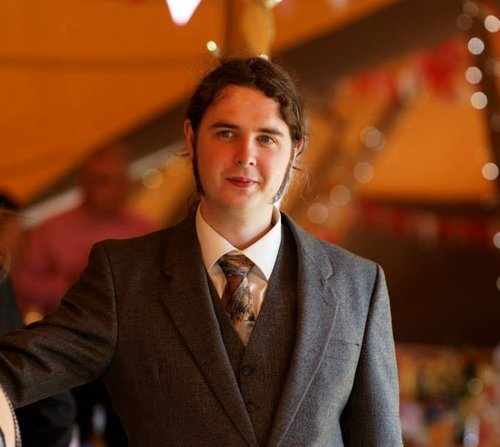
To meet this need, we collaborated with storyteller Tim Ralphs to create Research Journeys. A programme that helped researchers move away from technical detail and towards narrative clarity, emotional honesty and personal motivation.

Phase 1: developing stories and building confidence
Workshop design and facilitation
I co-designed the main in-person workshop with Tim and the Storycatchers team. We built a structured session that helped researchers:
step out of academic voice
find the emotional thread in their work
define why their research matters
shape a clear narrative arc
bring specific, tangible details to the surface
Visual identity and filming approach
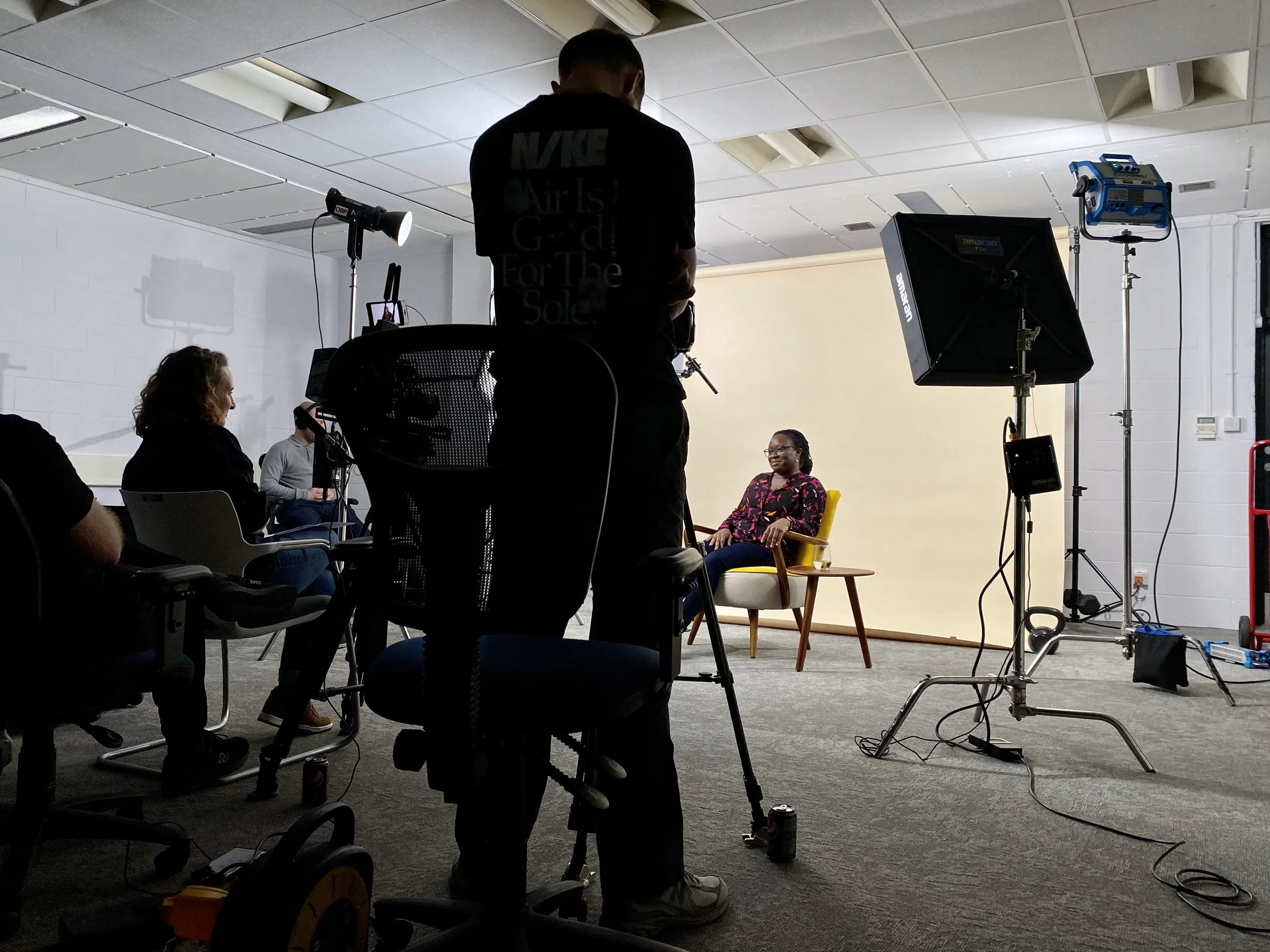
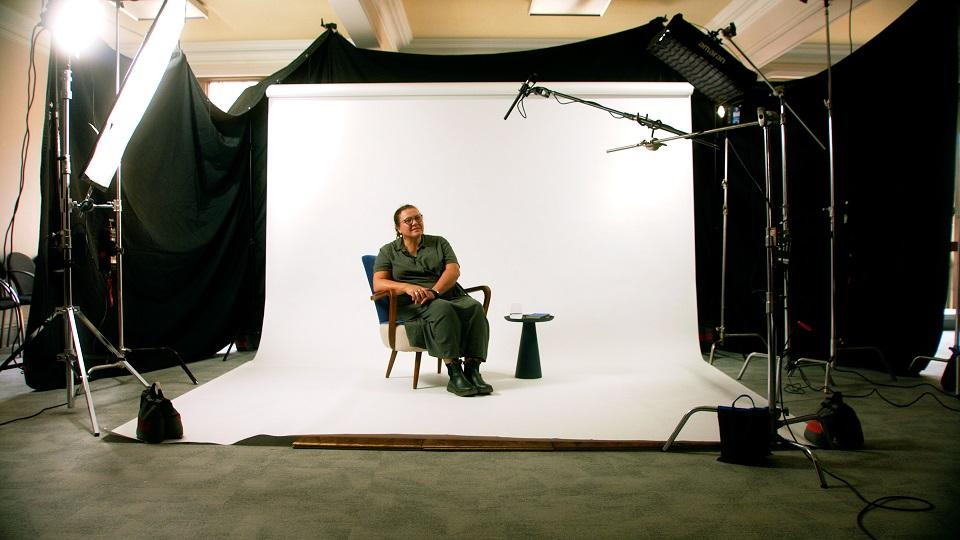
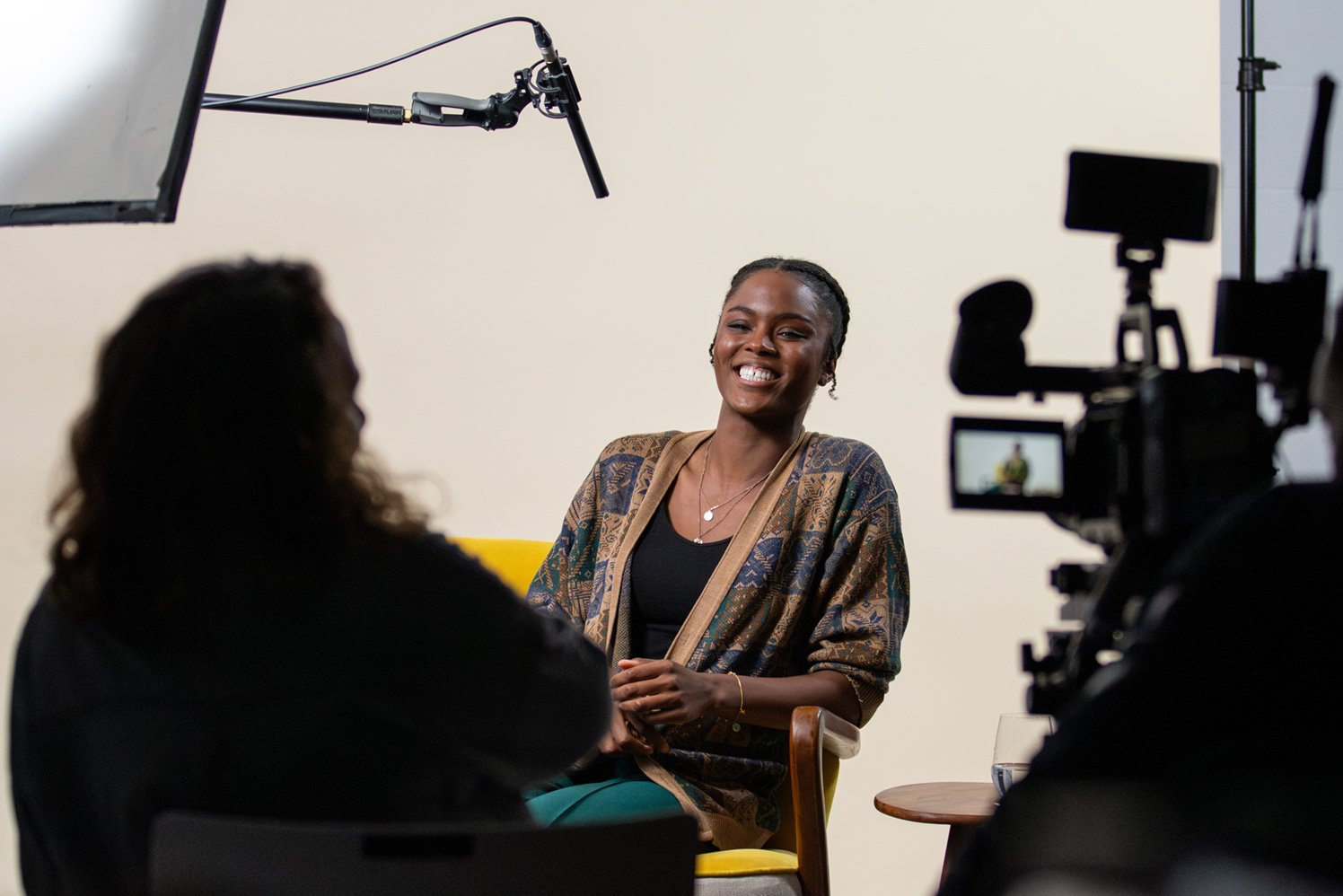
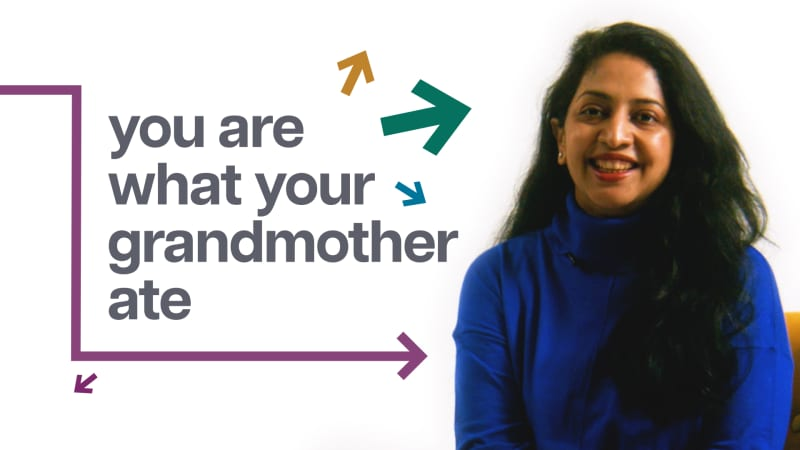
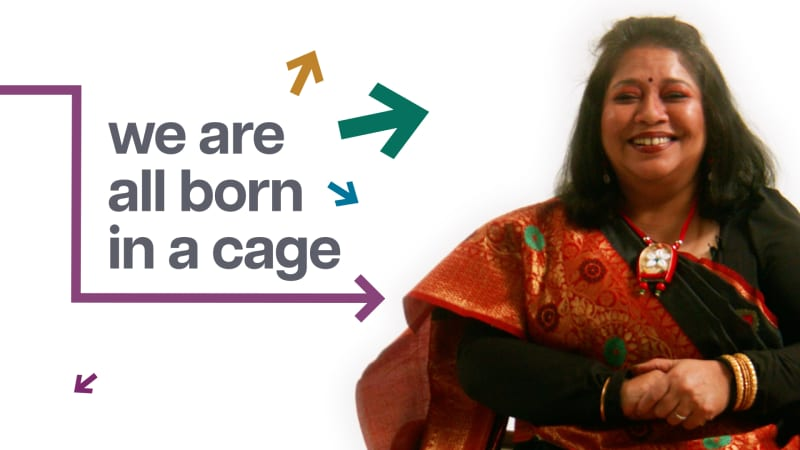
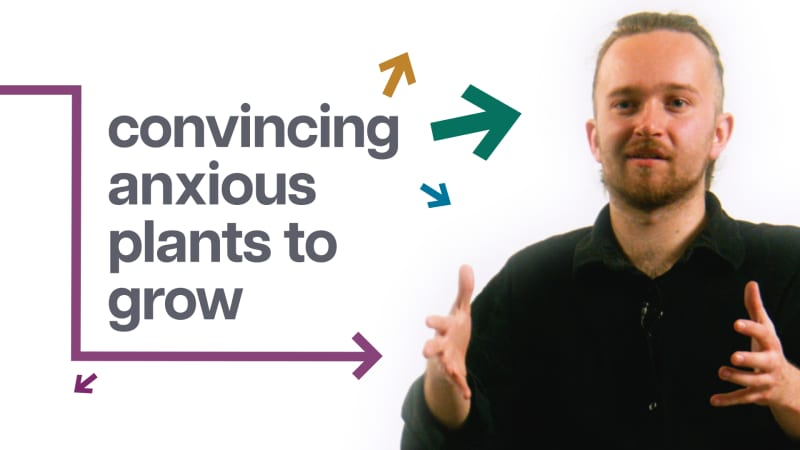
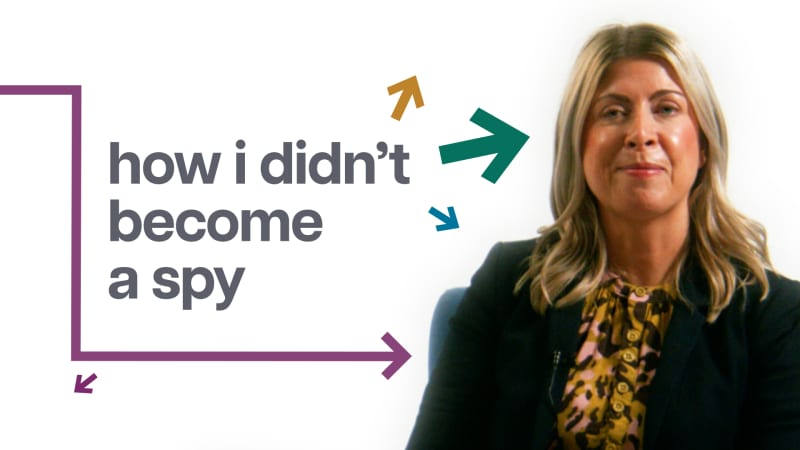
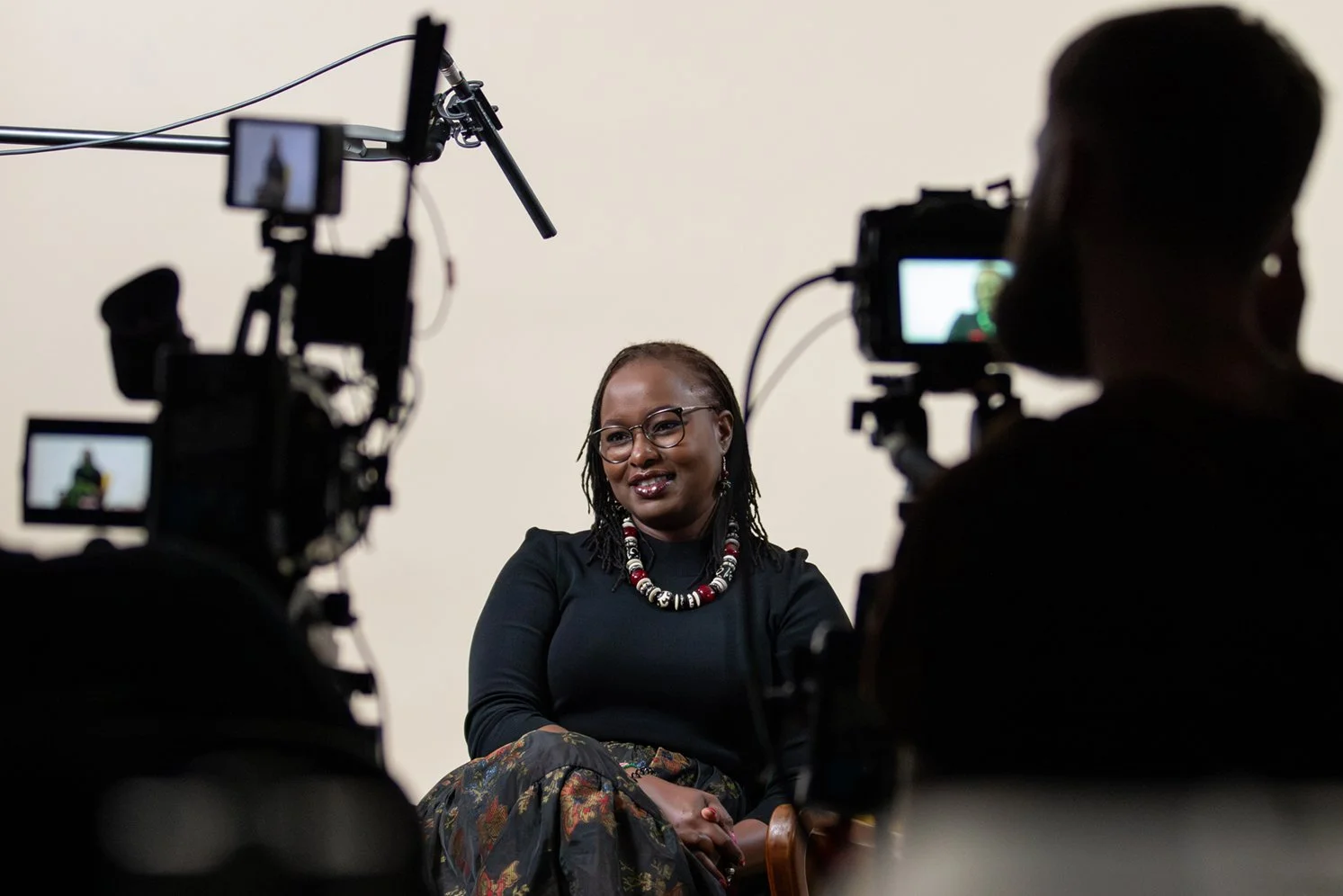
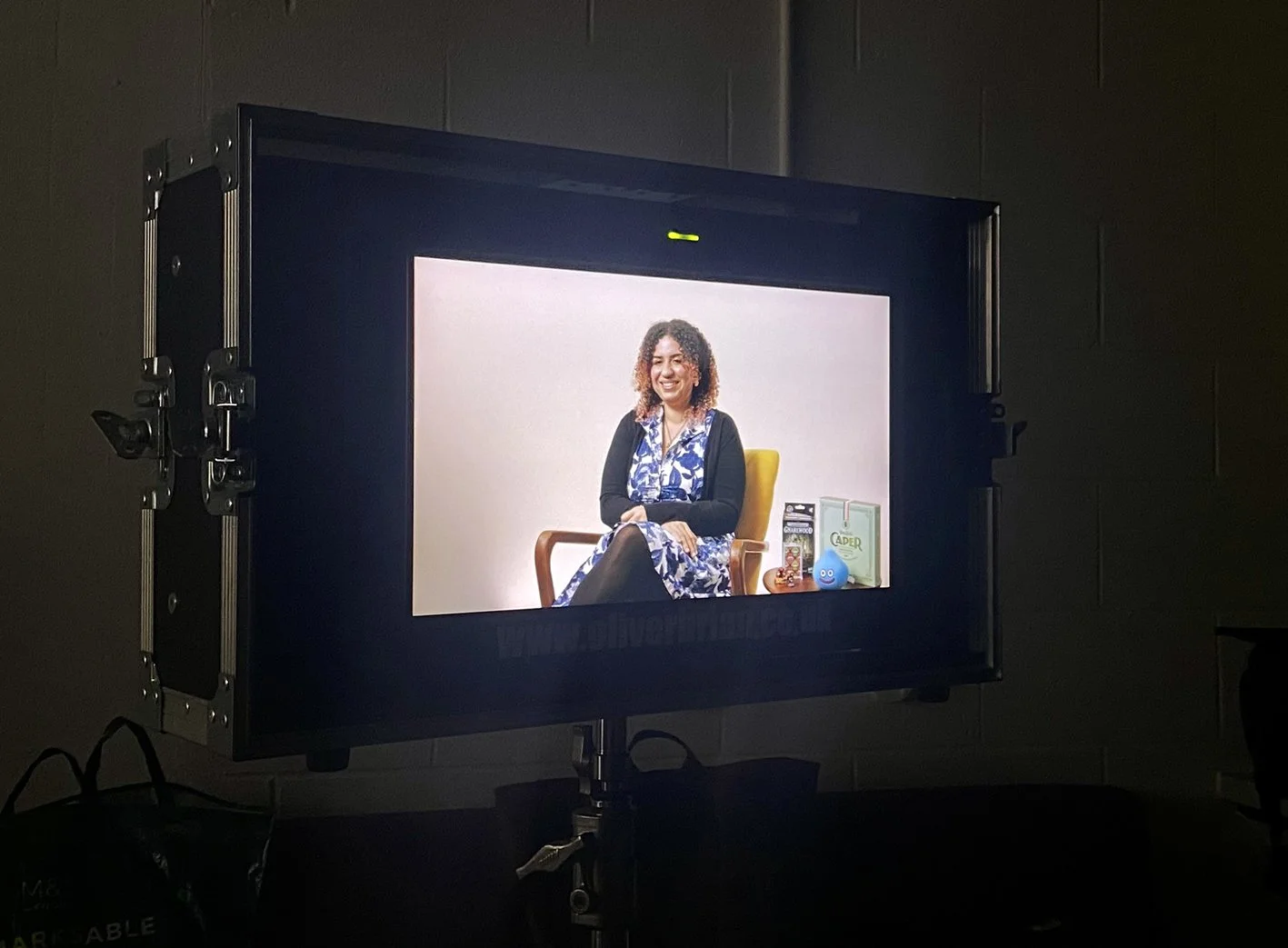
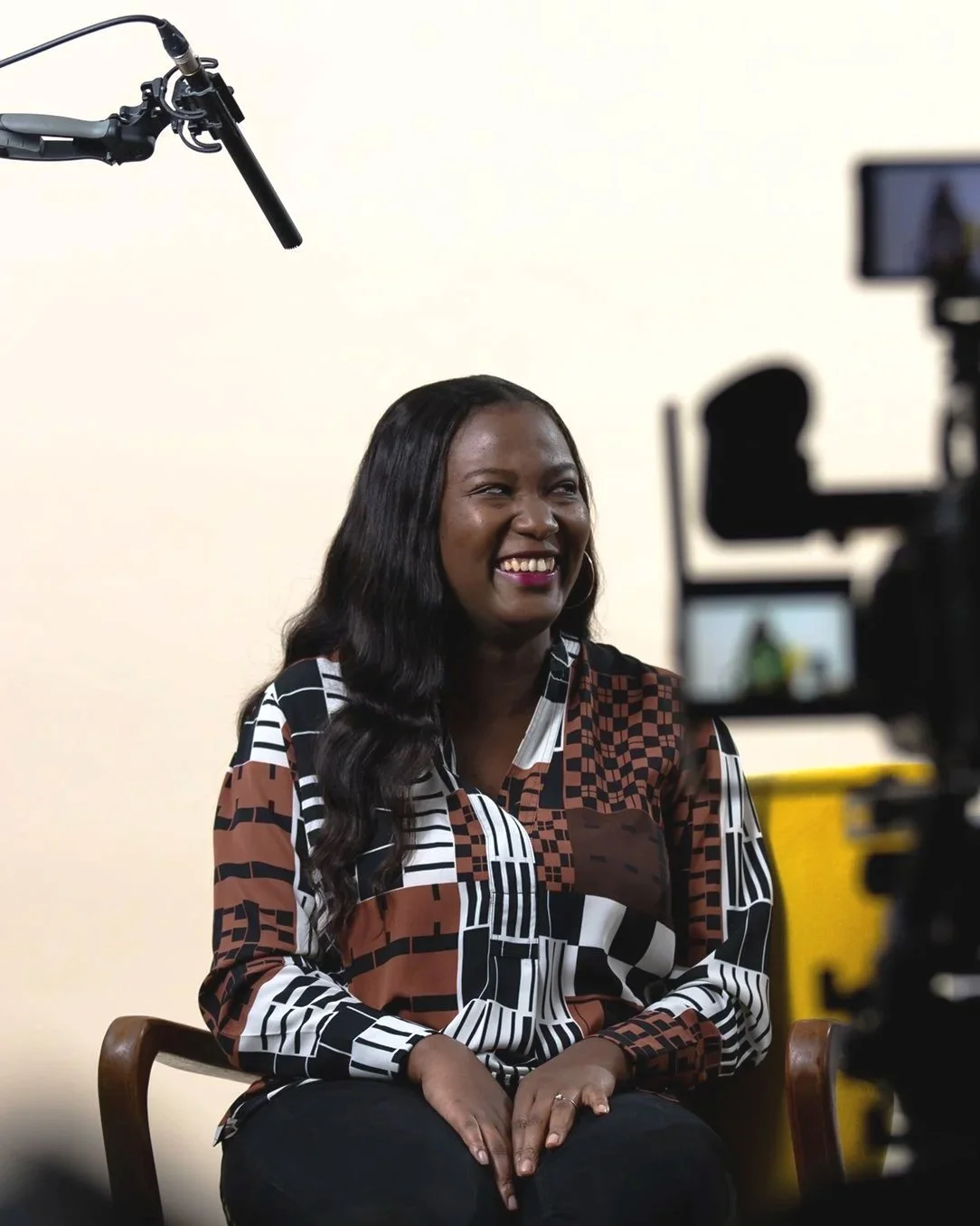
I created the visual identity for the series and designed a simple set that felt calm, warm and intentionally “story-focused”: colourama backdrop, soft armchair, and an uncluttered frame.
I also designed the two-camera setup:
a locked-off full shot
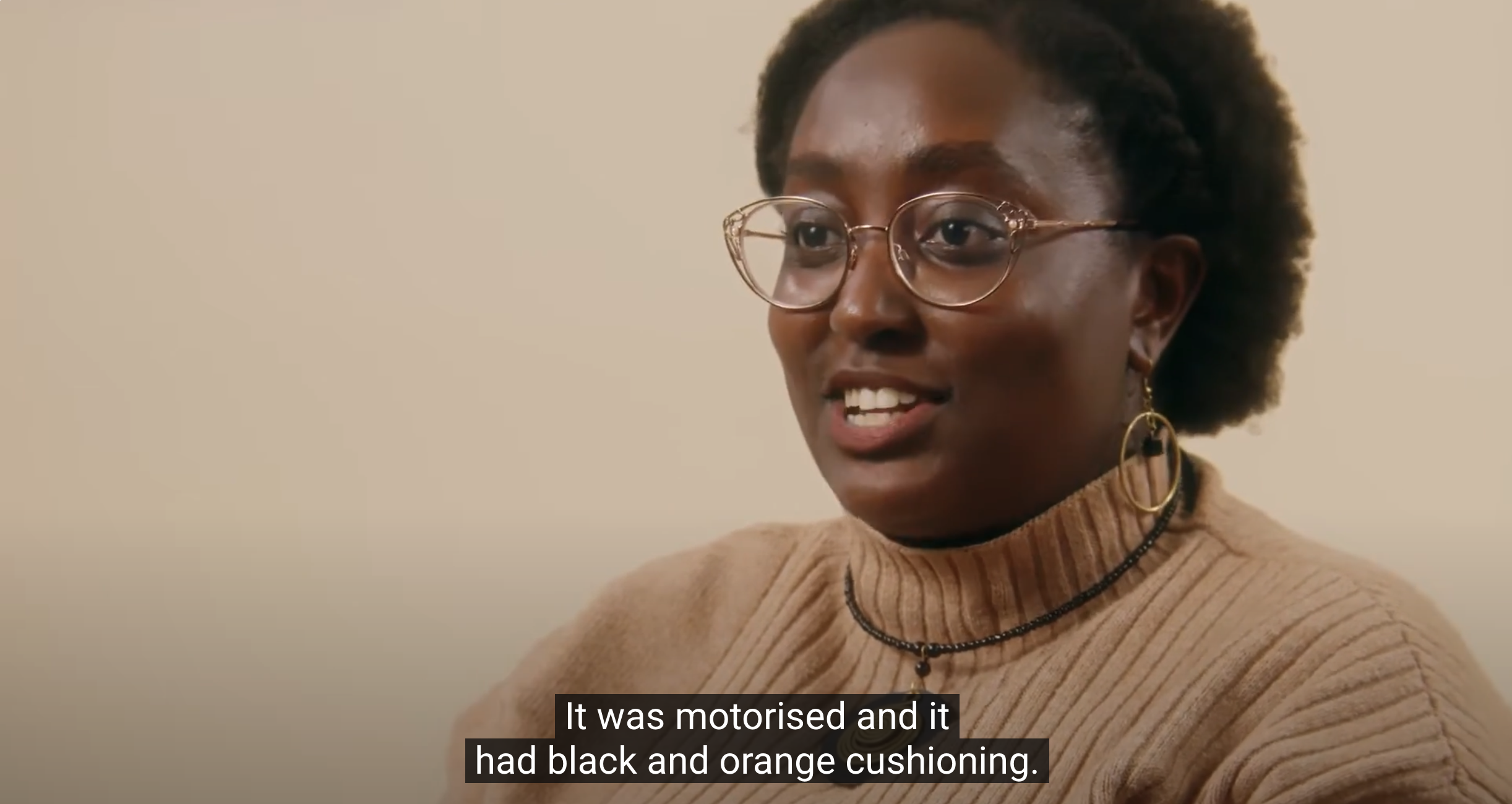
a close-up angle for nuance and cutaways
This gave editors flexibility and allowed us to keep the films visually consistent.
On-set coaching and direction
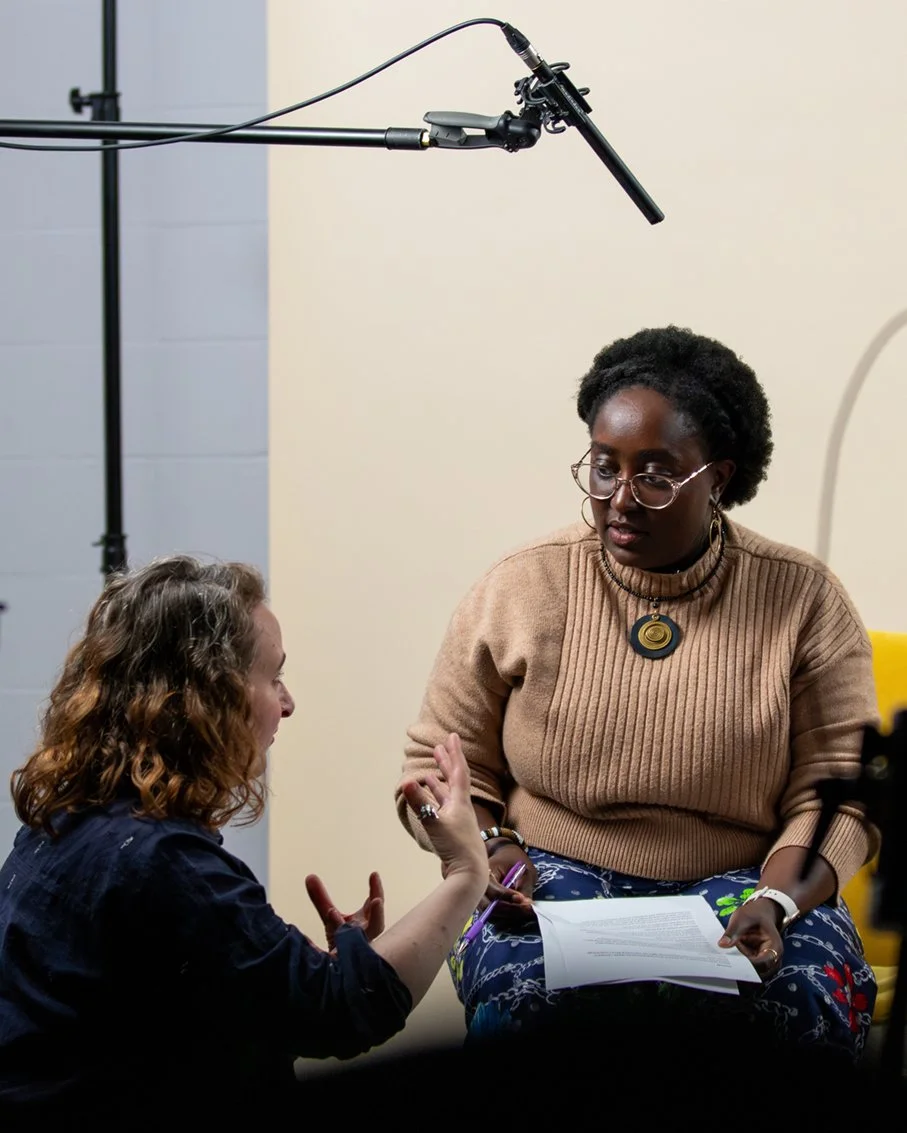
We filmed 20 researchers over three days, an intense schedule. I had around 15 minutes with each contributor before filming, then up to an hour to help them settle, build trust quickly and deliver their story with clarity and confidence.
To help them feel at ease, I sat just beside the main lens, holding eye contact and guiding them through their narrative as if we were having a conversation. This approach produced strong, emotionally honest performances and kept eye-gaze naturally close to camera.
Post-production
I worked closely with editors to keep each film true to the contributor’s voice. We refined the pacing, protected nuance, and ensured academic integrity wasn’t lost in the process.
I was also part of the feedback loops with researchers and university teams until final approval.
Impact of Phase 1
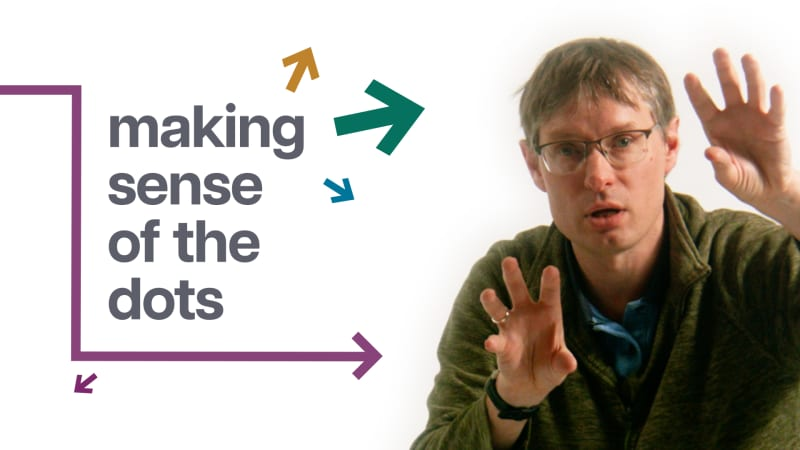
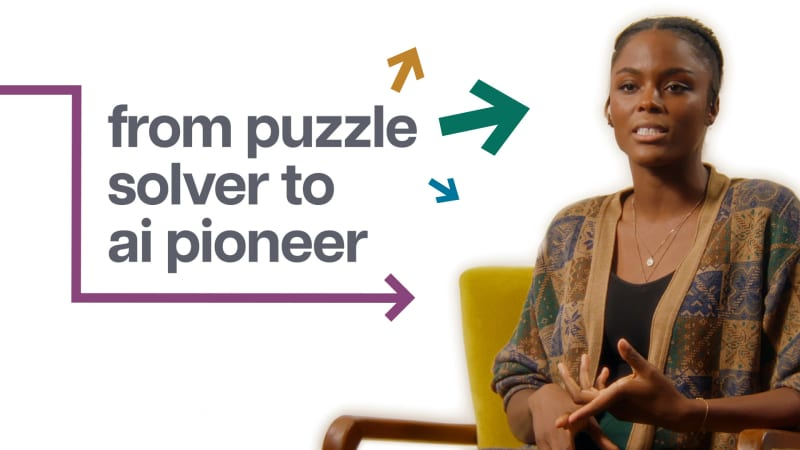
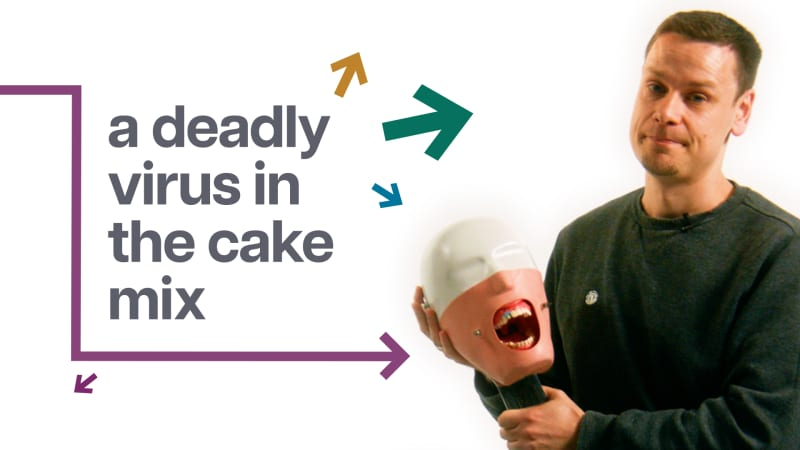
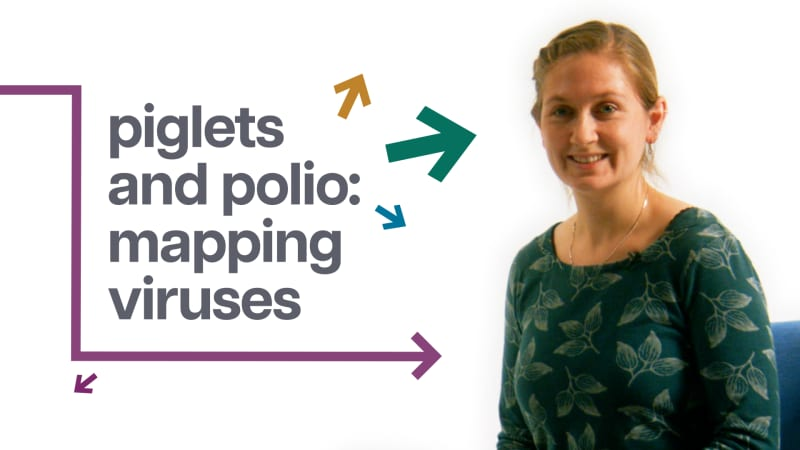
Researchers gained confidence speaking on camera and more broadly about their work. They learned to lift their story out of technical detail and express the real-world motivation behind it. The films helped humanise Leeds research and contributed to the university’s wider ambition to be seen as a leading global centre for research.
The success of this phase led the university to commission a second.
Phase 2 — Research Journeys: 100 Black Women Professors Now
The second phase followed the same approach but with a different focus: increasing the visibility of Black women professors at Leeds and across academia more broadly. These researchers often work on sensitive, complex topics and are underrepresented in academia and storytelling.
My role in Phase 2
For this phase I wasn’t involved in the workshop stage. Instead, I worked intensively on the filming days, seven contributors over two days.
I had one hour with each professor to:
understand her research
identify the crux points of her story
build trust quickly
support her through delivering a narrative that felt true to her purpose
The stories were often deeply personal or emotionally charged, so creating a safe, steady space was essential. I used the same set and two-camera system to maintain the series identity and give the women a strong, consistent platform.
-
![]()
Dr Theresa Munyombwe. Data driven healthcare.
-
![]()
Damarie Kalonzo. Breaking down barriers: access for all.
-
![]()
Dr Kendi Guantai. People, place and the neo-collonial problem.
-
![]()
Dr Adele Mason-Bertrand. Finding my place within geek culture.
-
![]()
Dr Tatendashe Dondo. The apple doesn't fall far from the tree.
-
![]()
Dr Sally Osei-Appiah. Levelling the playing field: Women, politics and the media.

Impact of Phase 2
The films contributed to representation within the university and helped challenge who is seen, heard and platformed in academic contexts. Contributors felt supported in sharing work that is often overlooked or misunderstood, and Leeds strengthened its commitment to meaningful visibility and inclusion.
Reflection
This project showed how much clarity and confidence researchers can gain when they are given the space, tools and support to tell their stories in a human way. It also demonstrated how thoughtful creative direction and contributor coaching can shift who gets to be visible in research, not just at Leeds, but within academia more widely.
It was a pleasure to be part of both phases and I really enjoyed working with the researchers they were so passionate and knowledgable and I learned so much!
You can view all the films from the project here.