NETWORK RAIL. Agency: StorycatchersBringing clarity and connection to safety culture.
Skills used: creative strategy, message framing, content planning, visual design, behavioural insight, stakeholder collaboration
Measurable impact reported by Network Rail after a year
Increased safety hour attendance by 17%
Frontline teams said themes made content easier to understand and apply
Managers reported feeling more confident in delivering content
Safety conversations increased by 20%
Context
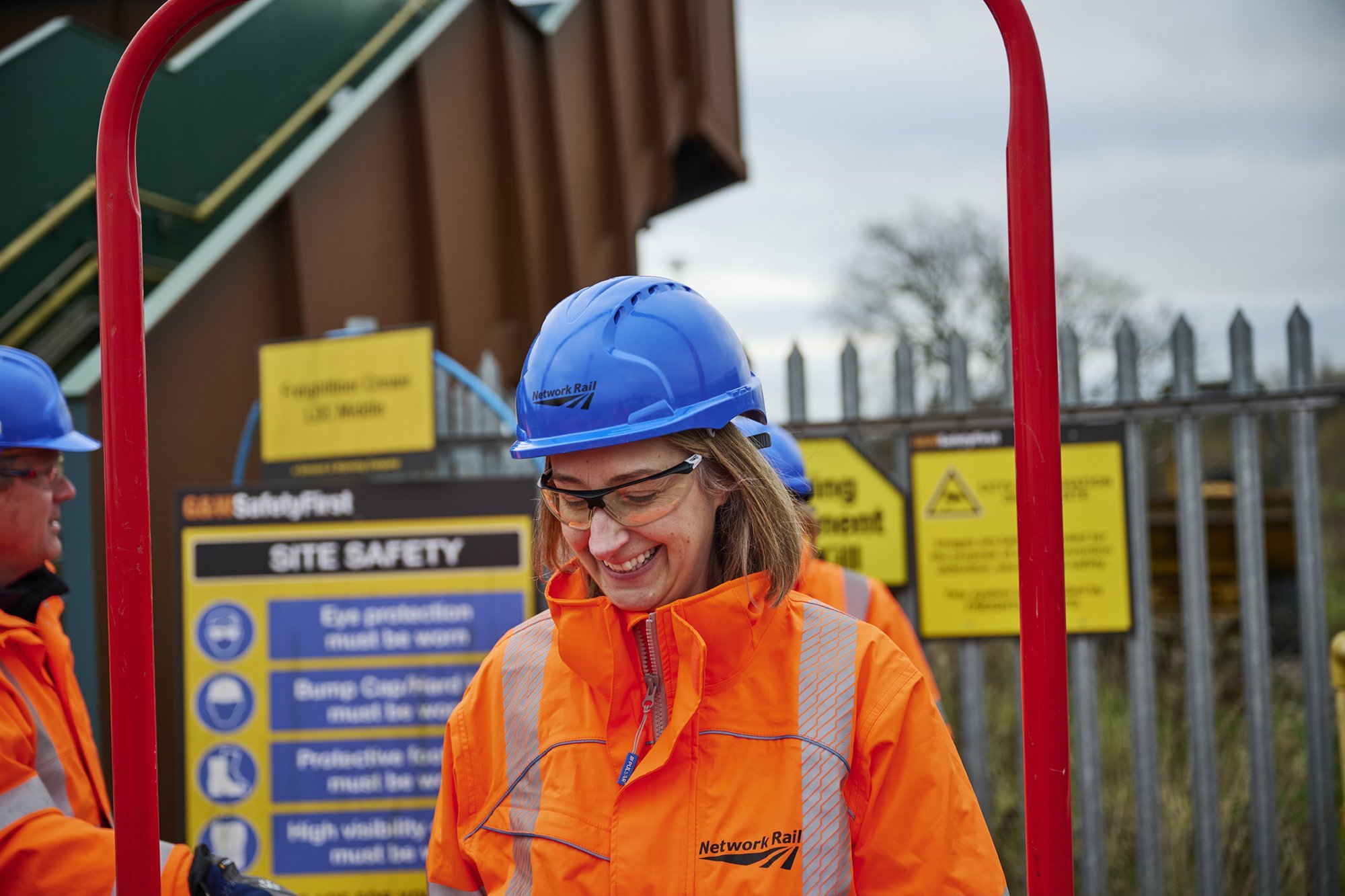
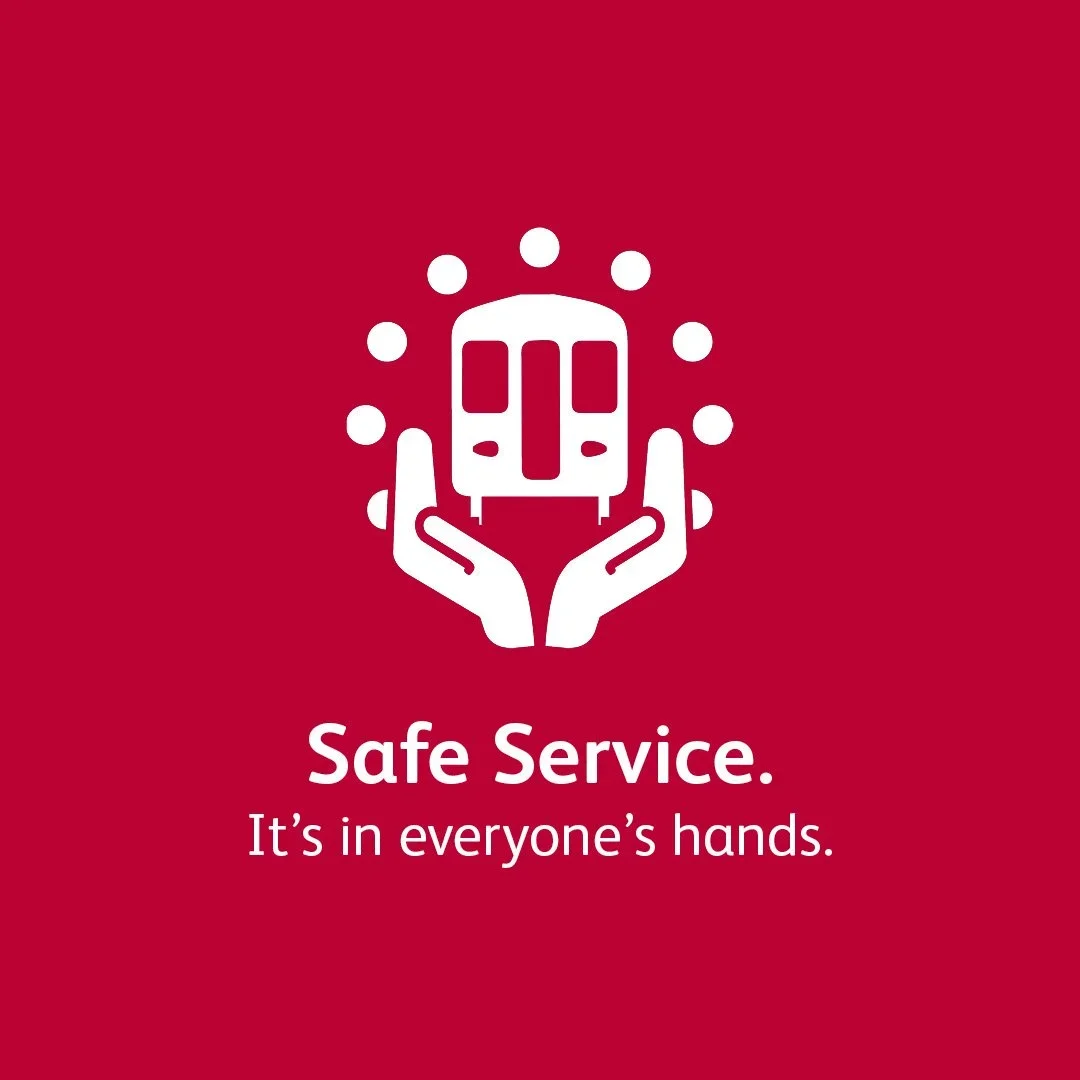
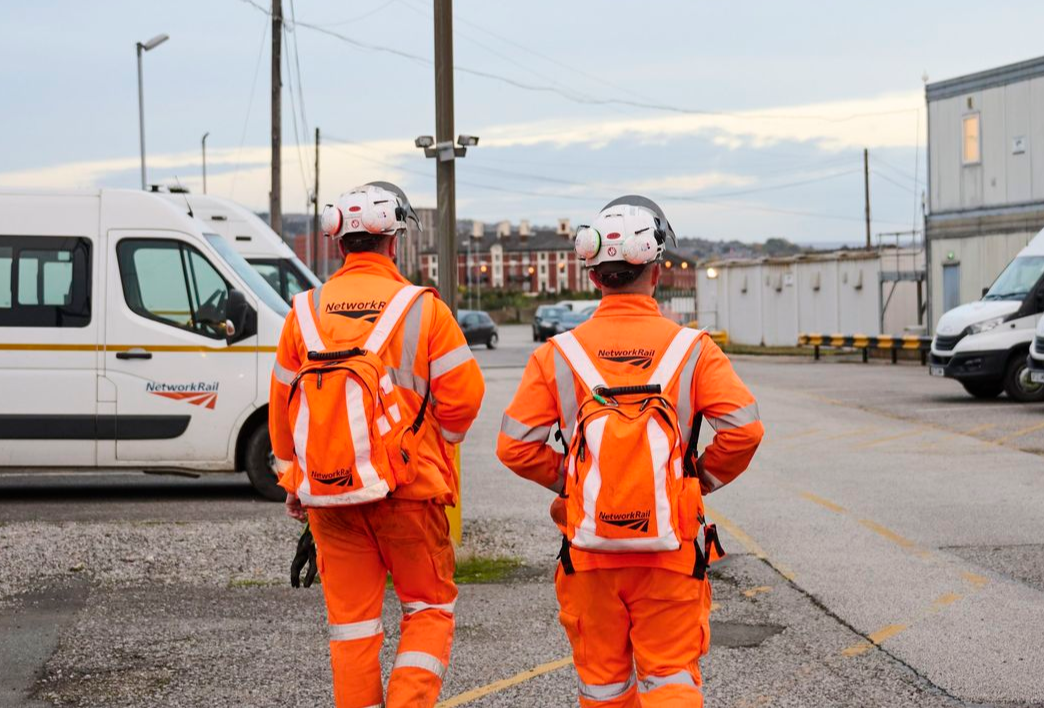
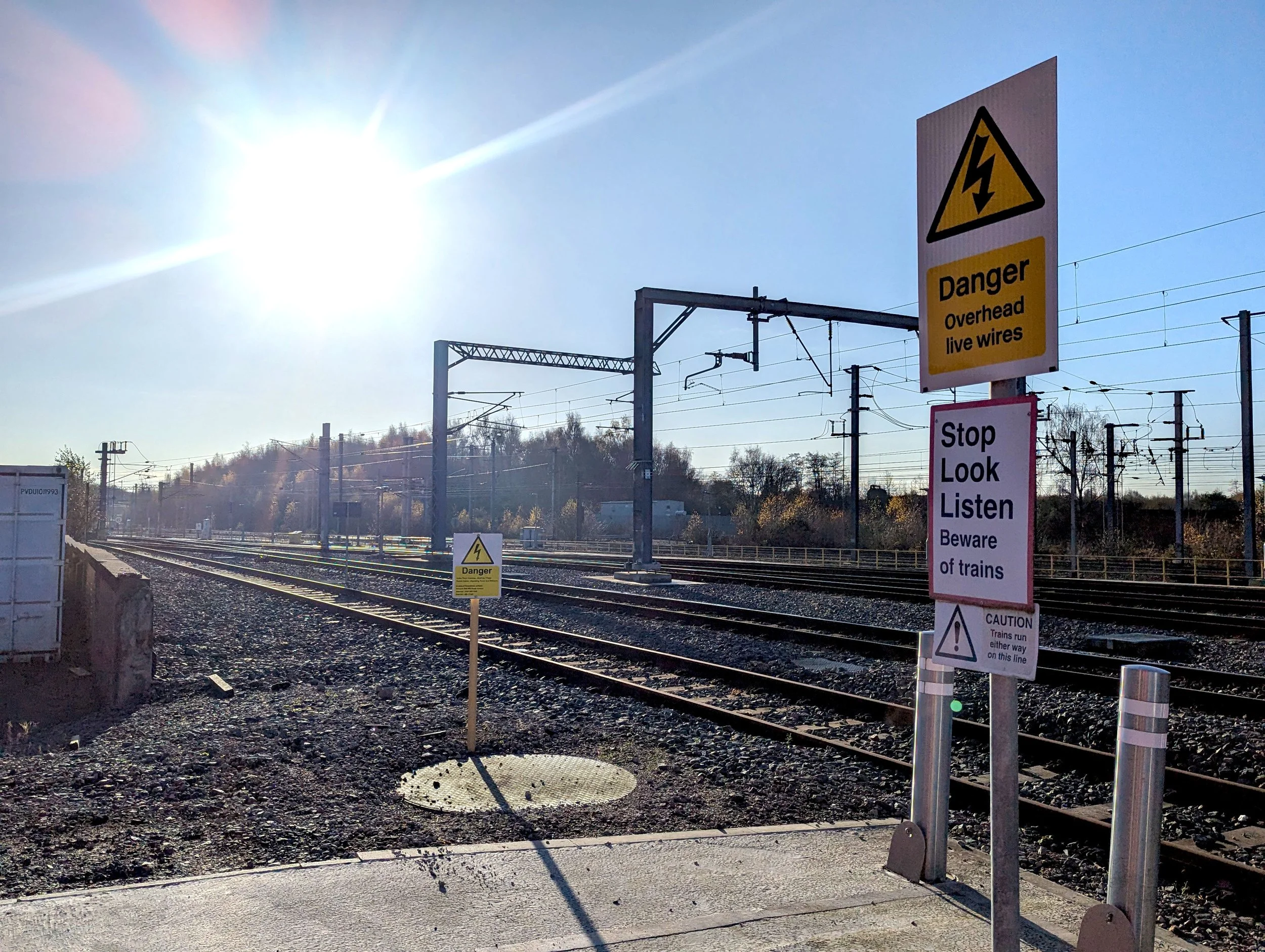
Safe Service is Network Rail’s long-running internal programme to support a stronger safety culture across a very mixed workforce. When I joined in the second year, the monthly comms felt scattered and hard for colleagues to follow. Messages jumped from topic to topic, Safety Hour attendance was slipping and teams were finding it difficult to stay engaged. My role was to help bring more clarity, structure and consistency so people could actually use and understand the content.
Introducing clear monthly themes
One of the first things I noticed was that there was no clear structure to the comms plan. Each month covered whatever issue had come up most recently. This made the content harder to remember and meant messages didn’t build on each other.
I suggested moving to themed months instead. Themes like complacency, psychological safety, pressure, teamwork and “line of sight” gave colleagues something steady to follow and created a sense of progression. It also stopped the constant gear-shifting between unrelated topics, which had been causing confusion.
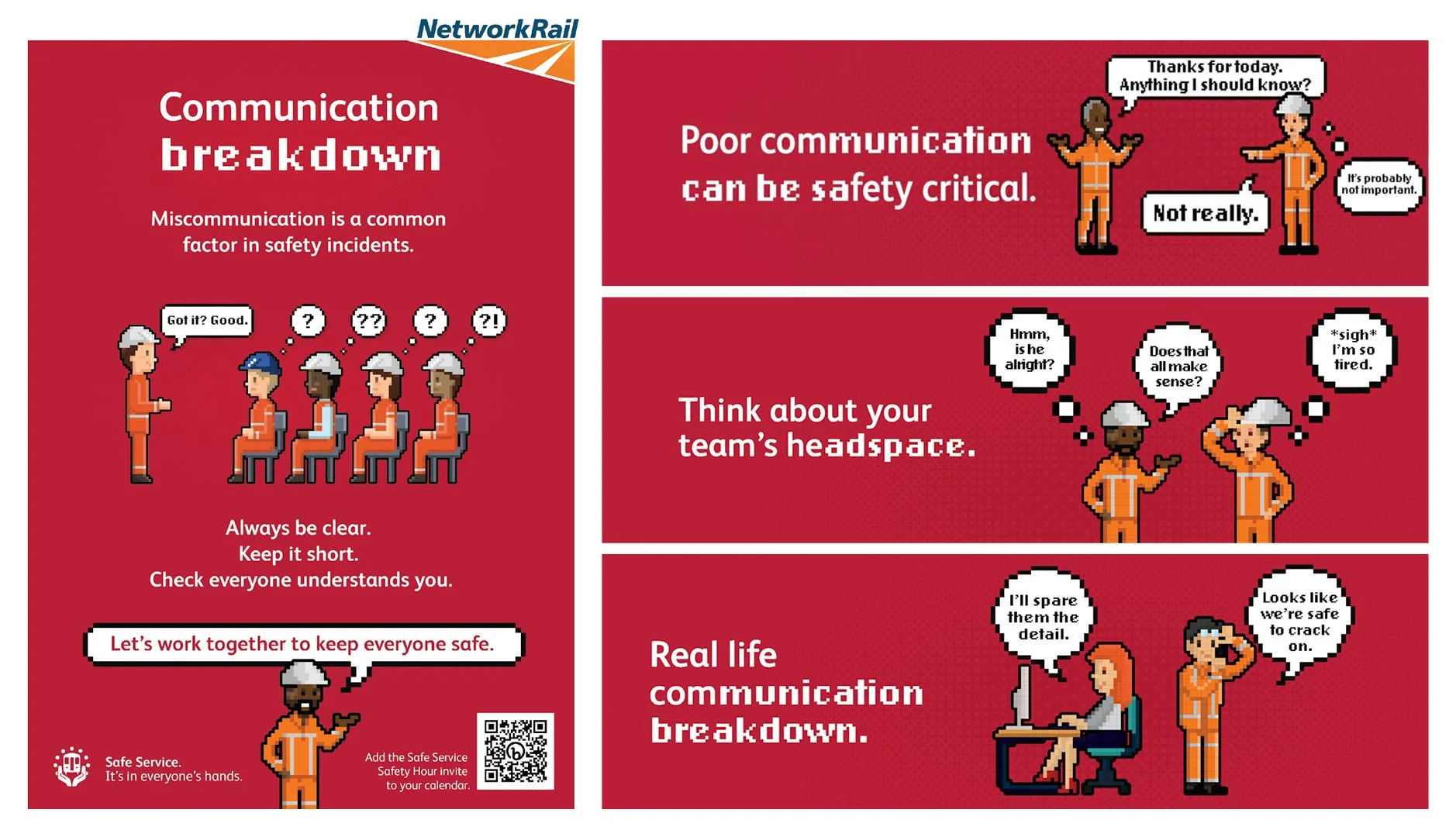
The poster and digital banner examples shown here are from the “effective communication” theme.
Designing communication that reaches everyone
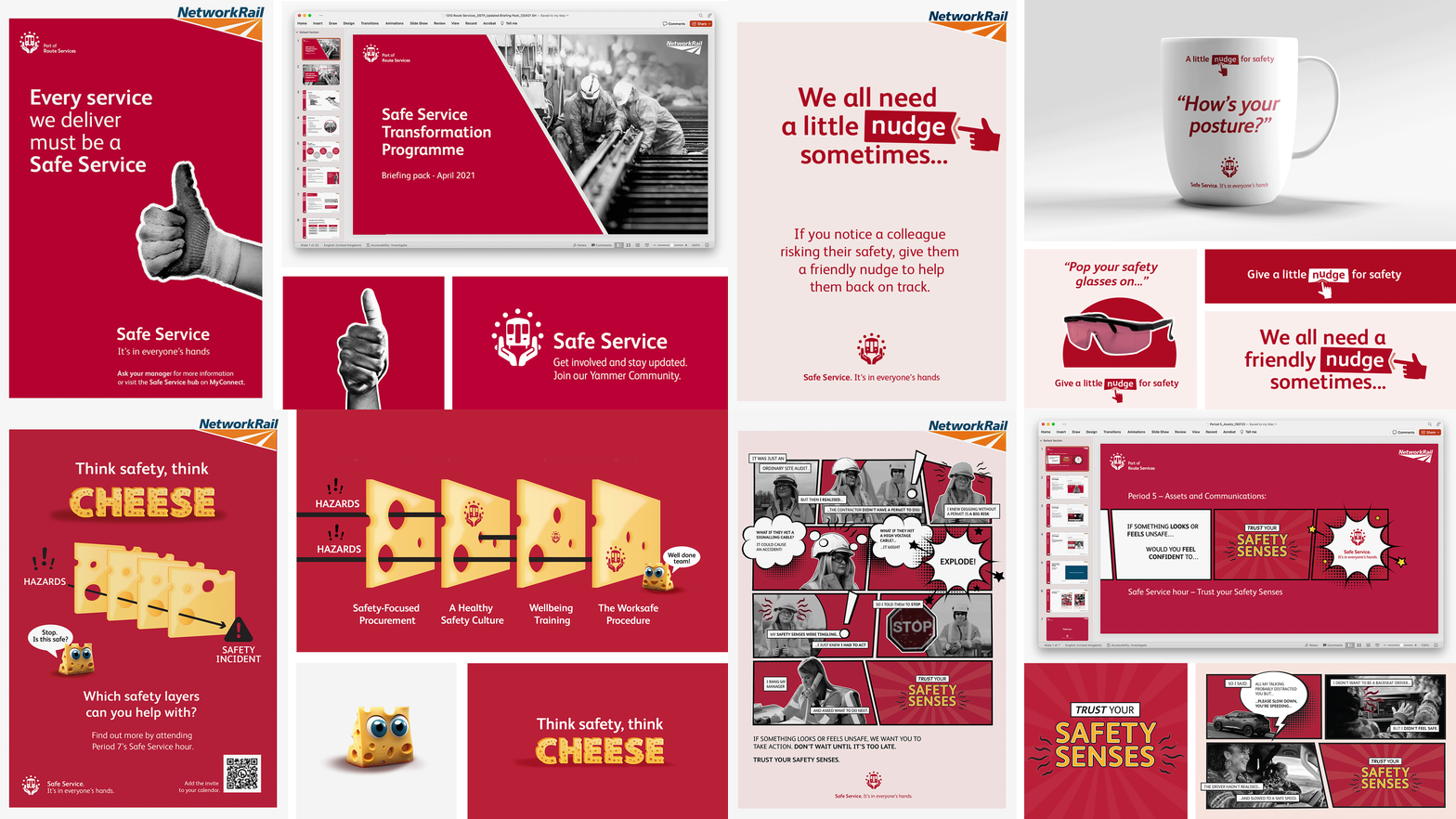
Frontline workers often have limited access to tech and mixed reading ages, so accessibility mattered. I co-shaped monthly comms packs that were simple, visual and written in plain english. These included:
posters and animated depot displays
short films featuring real colleagues
Viva Engage posts and MyConnect articles
visual presentation content
briefing packs for senior leaders
discussion packs to help managers run in-person sessions in depots where digital access is low
Peer-to-peer storytelling became a core element. Real voices and real experiences worked far better than top-down messaging, especially when paired with clean, consistent visuals.
Guided by behavioural science
The programme followed the ADKAR model, and each month’s content moved colleagues through awareness, desire, knowledge, ability and reinforcement. We used behavioural insight drawn from supplied data, one-to-one interviews, observation, workshops and anonymous feedback to shape the language and format so messages felt supportive rather than instructional.
Measurable, meaningful impact
By the end of the year, according to internal data from Network Rail:
safety hour attendance increased by 17 percent
safety conversations rose by 20 percent
managers reported greater confidence delivering sessions
frontline teams said the monthly themes made content easier to understand and apply
Working on Safe Service was a reminder that clear communication genuinely helps keep people safe. The work helped teams feel more confident, more connected and better able to look out for each other.